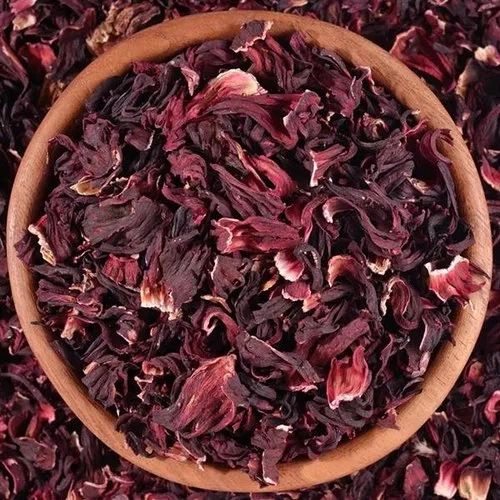
Hibiscus Flowers
Hibiscus not only tastes good, it can also be beneficial to your heart health, helps regulate blood pressure, supports liver and kidney function, and rich in vitamin C and flavonoids. It is most commonly consumed as tea, made by steeping dried calyces in hot water for 5–7 minutes. It can be enjoyed hot or iced and is often sweetened lightly. Typical consumption in studies ranges from one to three cups per day.
Hibiscus Tea
Hibiscus tea is the most popular use: steep 1–2 teaspoons of dried petals in boiling water for 5–10 minutes, strain, and enjoy hot or iced, optionally sweetened with stevia or flavored with lemon balm and peppermint leaf.
Hibiscus Syrups
Hibiscus can also be made into syrups, jams, and jellies by simmering petals with water and sugar, which can then be used in desserts, pancakes, or cocktails
Hibiscus Soaps
For home projects, making hibiscus soap is a rewarding process that combines the beauty of natural ingredients with the benefits of skincare. Pick a soap base and boil to melt it, add hibiscus powder and essential oils if needed and wait for it to cool.